wellbeing banner

Wellbeing

looking after yourself
Resilience

Working in primary care can be incredibly rewarding, but we know it also comes with real pressures. Rising demand, busy workloads and supporting patients who may be anxious or worried can all take their toll. When these challenges are balanced alongside concerns about our own health and the everyday demands of family and friends, it’s completely natural to feel stressed at times.

The good news is that support is available, and you don’t have to face these pressures alone.

The resources on this page are here to help you look after your wellbeing and feel supported in the vital work you do.

Staff Support

National / Regional NHS staff support and wellbeing

NHS England has established a number of staff mental health and wellbeing hubs which have been set up to provide health and social care colleagues rapid access to assessment and local evidence-based mental health services and support where needed.

The hub offer is confidential and free of charge for all health and social care staff and can offer a clinical assessment and referral to local services enabling access to support where needed, such as talking therapy or counselling. The offer is separate and confidential from your organisation.

Staff mental health and wellbeing hubs are open to all health and social care staff, from all services and settings. You can self-refer or refer a colleague, with their consent.

You can also see the current staff wellbeing offers or talking therapies available, also everyone including health and social care staff can access help from their GP.

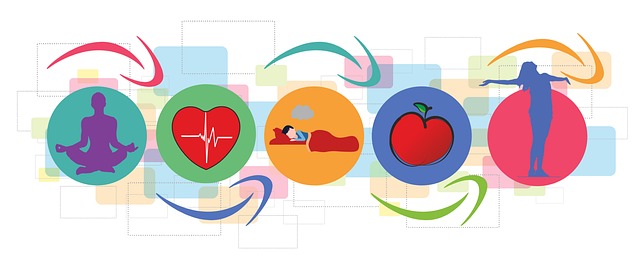
Colourful illustration representing wellbeing, including icons for relaxation, healthy sleep, movement, nutrition and mental balance.
Staff support

Further resources

  • Wellbeing support poster – contact information for wellbeing support
  • Bitesize Learning – expert‑led short courses to support your wellbeing, build skills and enhance your experience at work, covering topics such as resilience, motivation and leadership.
  • MECC Link – is an online signposting tool available to everyone in B&NES, Swindon and Wiltshire to help find out where support can be accessed for health and wellbeing.
  • The free Midlife MOT website – encourages people to review their skills and brings together trusted services to help you start thinking about your work, health and money with future planning in mind.
  • Doctors in Distress

Resources for Managers

Tips for managers – tips for managers, including emotional regulation systems, and what you can do for yourself and others.

Looking after Your Team – includes coaching about you and your team and more information about the course. Looking After You – Poster

An online advice service has been developed on GOV.UK giving support with employee health and disability for employers and managers to help you support employees and understand any legal requirements. There are links to government and other organisations that can help. The guidance will help you with things such as managing absences and keeping in touch, having conversations with your employee, in and out of work, and deciding on changes to help them stay or come back to work.

ACAS – Health and Wellbeing – free and impartial advice and guidance for employers as well as employees.

CIPD wellbeing resources – resources to learn about the business benefits of championing worker wellbeing and find out how to promote initiatives in your organisation.

Resources for managers

Looking After Yourself

It’s never the wrong time to consider your own mental health and wellbeing. For doctors and dentists in England, NHS Practitioner Health can offer:

  • Free mental health treatment and support
  • Access to a network of clinicians and therapists
  • Prescribing and inpatient care in a confidential service

Access is via self-referral and the service can see and treat mental health and addiction issues at any level. All other NHS staff can access a range of free wellbeing resources via the service, including online reflective spaces and webinars plus signposting to free offers of therapy and support.

Looking After Yourself

Further resources

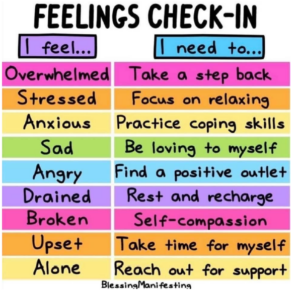
And don’t forget to follow this set of rules:

Resilience

Building resilience helps us adapt during times of change or stress. Use our tools, group sessions, and reflective practices to stay grounded and recover from challenges.

Resilience

Self-Compassion

Being kind to yourself is essential. Try our self-care reflection guides, Compassion-Focused Therapy tools, and access wellbeing apps to build everyday habits of kindness towards yourself.

Self-compassion matters.  We may feel we do not deserve the ‘luxury’ of self-compassion and self-care when others around us at home and at work appear to need it even more than we do. However, one does not exclude the other. In fact, appreciating and acknowledging our own vulnerability and wellbeing needs, allows us to respond with more empathy and understanding for others.

We might worry that we are going to feel more vulnerable by acknowledging our own wellbeing needs to ourselves or others. Of course, that might happen, coaches and psychotherapists call this ‘being with your feelings’. It is not always comfortable but sometimes we have to identify and name the emotions, thoughts, and feelings we are experiencing to acknowledge we need to make changes for ourselves or to decide to ask for the support and help we really need.

There are biological and physiological determinates of brain and body health including our genes, hormones, and our immune system however there are wellbeing strategies which are within our control and which support us to perform at our best e.g. good nutrition, exercise, rest, sleep, and hydration.

Below are some quick wins to start a process of self-compassion.

  • A two-minute walk (exercise) every 30 minutes maintains optimum blood flow to the brain and so cognitive function throughout the working day. If you look at a screen much of the day, moving around is a bonus for eye health and wards off stiffness and fatigue too. At the very least set a timer, get up stretch and move every half an hour.
  • Take a ‘mental health micro break’ and look through a window at a green environment. Research shows visual contact with the natural world can help top up your energy and mood resources – it is called biophilia. Investing in a pot plant for the home office can also support your wellbeing and even looking at a picture of nature on your phone can help.
  • We naturally sigh when we are tired or fed up. Try taking a shorter in breath and letting out a longer outbreath. There is evidence to show this ‘shape’ of breathing when repeated a few times leads to a reduction in blood pressure and heart rate. (Not recommended for anyone with low blood pressure or breathing issues.) This is a quick way to set up for a challenging call or meeting and even consciously relaxing your shoulders, jaw and hands helps de-stress in the moment.
  • Remember to hydrate regularly yet avoid any caffeinated drinks after midday: caffeine has ¼ life which means by midnight you could still have the equivalent of ¼ of a cup of black coffee in your bloodstream if you drink coke/coffee with your lunch. This can affect your ability to fall asleep and reduce your sleep. 
  • Take a walk outside in daylight around lunchtime and you will sleep better. A lack of bright natural light exposure during the day can result in disruption of the circadian system and lead to feelings of depression, poor sleep quality, lethargy, and even illness.
  • Rest can be active: reading, walking, painting, or passive, watching the TV, listening to a podcast. ‘Busyness’ is not a badge of honour and we will never complete our to do lists so taking a rest does not equate to being lazy rather it is the chance to be mindful or to shift our attention from work to self. Turning off our mobiles when we are resting will make this even more powerful.

At times of extreme pressure, we may feel we just do not have the energy to focus on anything but ‘maintenance care’. Constant coffee or energy drinks, snacking on sugary foods and having alcohol to help us relax in front of TV can be great to get us through a challenging time. However, we must beware of using ‘maintenance care’ as a long-term strategy. If you are stuck in a habit like this try some small changes first, too much change in one go can be destabilising.

Self-Compassion

Wellness Action Plans

Wellness Action Plans (WAPs) are simple tools to help you and your manager understand what keeps you well at work. Download a WAP and start the conversation.

Mind Guide for Employees – Wellness Action Plans

Mind Guide for Line Managers – Wellness Action Plans

Work From Home – Wellness Action Plan

Wellness Action Plans