

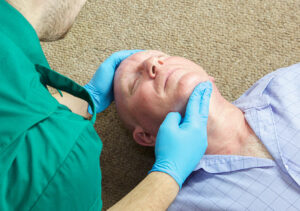

Occupational Therapist
Occupational therapists treat injured, ill, or disabled patients through the therapeutic use of everyday activities. They help these patients develop, recover, improve, as well as maintain the skills needed for daily living and working. The Royal College of Occupational Therapy adopted the key principle of best fit support, getting the right support, from the right person, at the right time, to support people to manage their health and social care needs.
Benefits
The ‘occupational therapy offer’ on areas where they could have most impact and there is a high demand could include self and family referral to a stratified model of triage and delivery. Models of delivery would target:
- Frail, older people: vulnerable people who do not require secondary services, but are at high risk of needing increased levels of support in the future (including possible hospital inpatient admission) if a proactive approach is not taken
- Those who are off work: seeking fit notes or return to work support
- Adults with mental health needs: people that need more than Improving Access to Psychological Therapies (IAPT), but not requiring secondary care or a psychiatrist.
Career pathway
To practise as an occupational therapist, you must be registered with the Health and Care Professions Council (HCPC). To register with the HCPC, you first need to successfully complete approved degree-level training in occupational therapy.
You can train through an approved full-time or part-time pre-registration university course in occupational therapy or a degree apprenticeship in occupational therapy.
For the full-time route this is usually a BSc (Hons). Courses take three or four years.
There are also part-time/in-service courses if you are working in a relevant senior occupational therapy support role and your employer is willing to support you.
Courses differ but all involve a lot of practical work with patients.
For further information about First Contact Practitioner Occupational Therapists click here
Further information
- https://www.rcot.co.uk/about-occupational-therapy/become-an-occupational-therapist/how-become-occupational-therapist
- https://www.rcot.co.uk/cpd-rcot
- https://www.rcot.co.uk/occupational-therapy-primary-care
- Engagement of general practitioners in falls prevention and referral to occupational therapists. (2019), available here.
- The impact of a primary care stress management and wellbeing programme (RENEW) on occupational participation: a pilot study. (2019), available here.
Is there any recruitment funding available to Primary Care Networks?
This is a role that is included in the Additional Roles Recruitment Scheme from April 2020. Primary Care Networks may therefore be able to access funding via BSW ICB to cover salary and on-costs. You can find out more about the scheme and workforce planning by contacting the Development Partners who work with the ICB’s Primary Care Team and by referring to the information in the links below:
- Update to the GP Contract Agreement – NHS England
- Network Contract DES Contract Specification 2024-25 – NHS England
Funding for Continuing Professional Development (CPD)
Investment in CPD for Allied Health Professionals (AHPs), Registered Nurses and Nurse Associates is received from NHS England, and funding is held by the Training Hub on your behalf.
A sum of money is calculated for each eligible staff member working in any BSW practice to support them to access relevant CPD. This funding cannot be used for backfilling or administrative costs but needs to be fully utilised on training fees. Ideally CPD needs will have already been identified as part of an annual appraisal process between practitioner and line manager.
The Training Hub are in regular conversation with practices to discuss current needs and to help find suitable training opportunities.
Please do not hesitate to contact the Training Hub via bswicb.traininghub@nhs.net if you have any questions.